


Bones, Gravity, and "The Load": Why Yoga + Weights is the Ultimate Perimenopause Power Couple

If you've been doing yoga for years and someone recently mentioned you should "add weights for your bones," you might be feeling a bit… betrayed. Like, wait, isn't yoga supposed to be the answer to everything?
Here's the truth: Yoga is incredible. It keeps you balanced, mobile, and grounded. It prevents falls (huge for bone health). It regulates your nervous system in ways that lifting never will.
But when it comes to actually building bone density? Yoga alone isn't enough.
And that's not a failure on yoga's part. It's just biology.
The Science Your Bones Are Literally Asking For
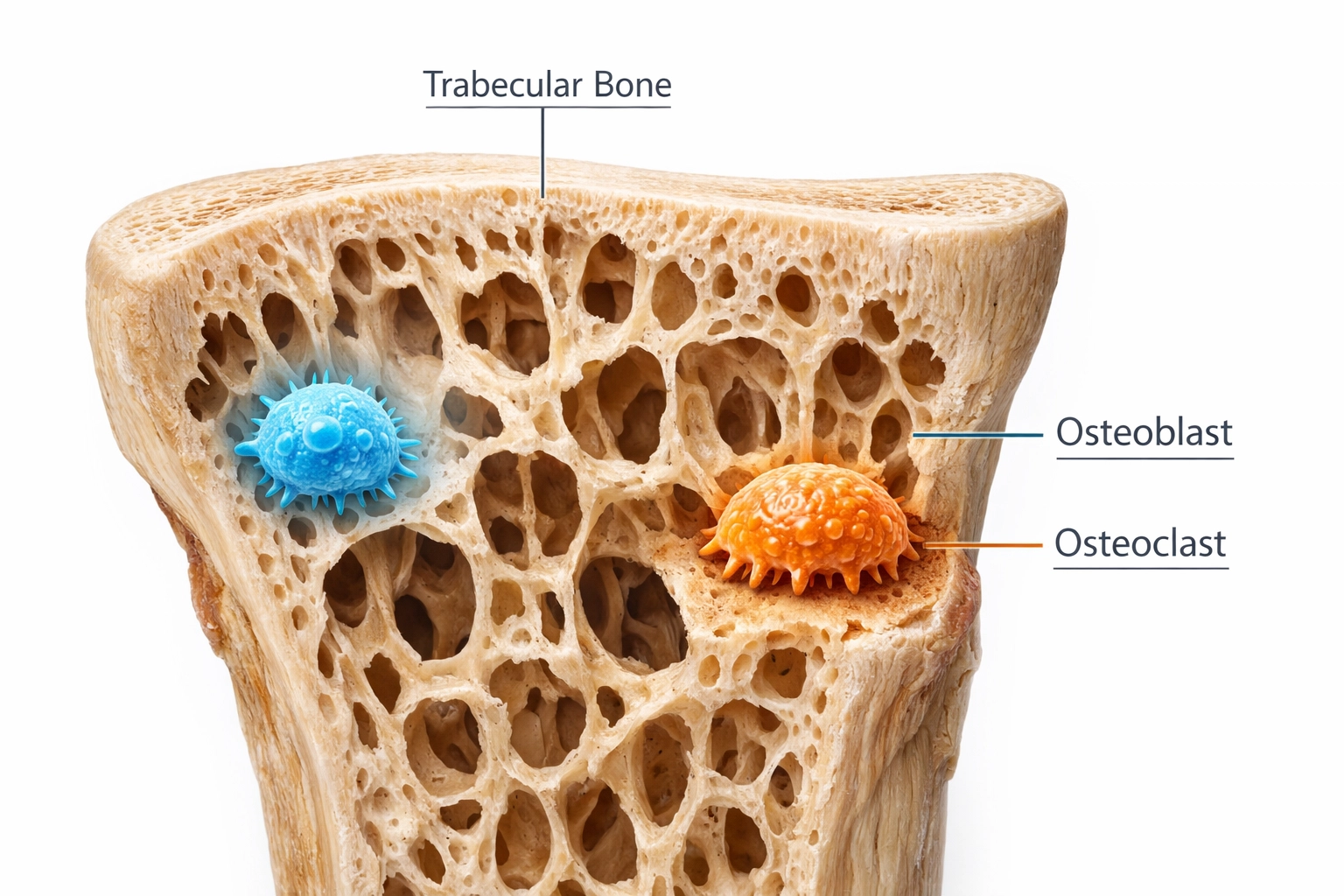
Your bones are living tissue. They're constantly breaking down and rebuilding in a process called remodeling. Two key players are involved:
Osteoclasts: The recyclers. They break down old bone tissue.
Osteoblasts: The builders. They lay down new bone.
In your 20s and 30s, estrogen keeps these two in balance. But as estrogen drops during perimenopause, the osteoclasts go into overdrive. They start breaking down bone faster than the osteoblasts can rebuild it.
This is why bone density becomes such a hot topic in midlife.
Enter: Wolff's Law
Here's where the science gets interesting. Wolff's Law states that bones adapt to the loads placed on them. Translation? Your bones only get stronger when you put enough stress on them to signal: "Hey, we need reinforcement here."
Yoga provides some of this stress through bodyweight loading. Planks, Chaturanga, Warrior poses: they all count. But the load is often not heavy enough to trigger significant new bone formation, especially in the spine and hips where perimenopausal women are most vulnerable to fractures.
Weight training, on the other hand? That sends a loud signal. Heavy, progressive resistance tells your osteoblasts to get to work.
Why Yoga + Weights is the Power Couple You Didn't Know You Needed
Think of it this way: Weights build the structure. Yoga protects it.
Weight training gives your bones the mechanical load they need to stay dense and strong. It also builds muscle mass, which is critical because muscle loss accelerates during perimenopause. More muscle = better metabolism, better glucose regulation, and more support for your skeletal system.
Yoga, meanwhile, gives you the flexibility, balance, and coordination that prevent falls and fractures in the first place. It also downregulates your nervous system, which is essential when you're navigating the stress, sleep disruption, and emotional intensity of perimenopause.
Together, they address both sides of the bone health equation: building density and preventing injury.
The Capacity Conscious Approach: How to Actually Do This Without Burning Out
Here's where most advice falls apart. You're told to "add weights" with zero context about how to fit that into your life when your energy is already unpredictable.
This is where the Capacity Conscious system comes in. Instead of forcing yourself to do the same workout regardless of how you feel, you match your movement to your actual capacity that day.
High Capacity Days: Go for the Load
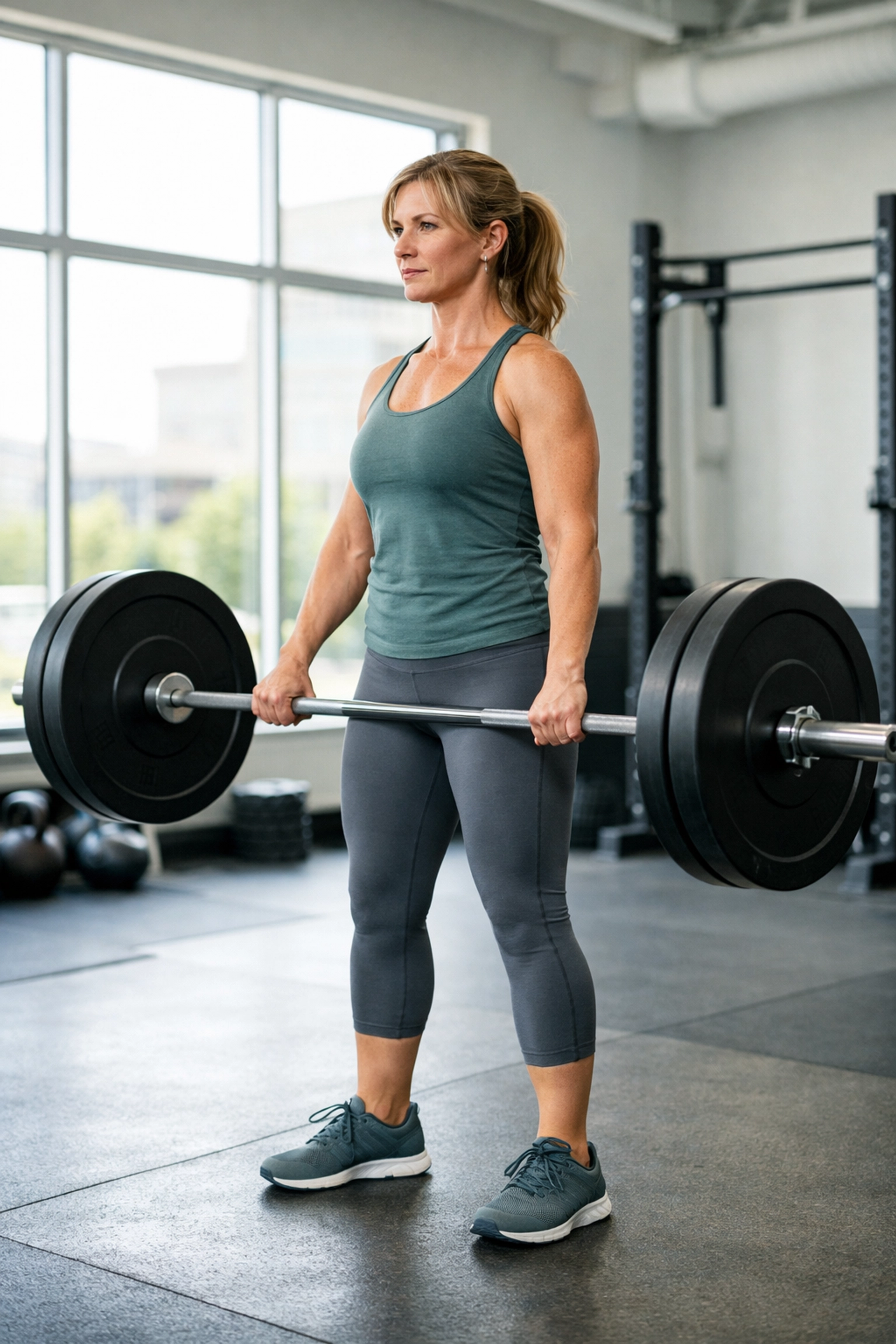
When you're feeling strong, rested, and energized: this is your time to prioritize weight training. Focus on compound movements like squats, deadlifts, rows, and presses. These exercises load multiple bones and muscle groups at once, giving you the most bone-building bang for your buck.
Progressive overload is key here. You want to gradually increase the weight or resistance over time to keep challenging your bones.
Medium Capacity Days: Your Choice
On medium capacity days, you have options. You can:
Choose weight training with moderate loads and focus on controlled movement.
Choose a stronger yoga flow that includes weight-bearing poses and dynamic transitions.
The point is to honor where you're at without pushing into burnout territory. Some days, you'll crave the grounding rhythm of a yoga practice. Other days, you'll want the satisfying challenge of lifting. Both are valuable.

Low Capacity Days: Honor the Nervous System
When your energy is low: whether from poor sleep, stress, or just being at a certain point in your cycle: yoga is your friend. Gentle, restorative practices support your parasympathetic nervous system, helping you recover rather than depleting you further.
This isn't "giving up" on your bones. It's recognizing that recovery is part of the process. Chronic stress and overtraining actually increase bone loss, so honoring your low capacity days is a strategic move for long-term bone health.
The Pivot: What to Do When You're on Your Period or Just… Done
Here's a gem of permission you might not hear often enough: If you're on your period or your energy is tanking, you can drop the weights entirely and focus on form or mobility work.
Maybe that looks like bodyweight squats with perfect technique. Maybe it's foam rolling and stretching. Maybe it's a slow flow that keeps you moving without demanding anything heroic.
This is called "The Pivot," and it's not a cop-out. It's intelligent movement. Your body is already working hard to regulate hormones, manage inflammation, and maintain baseline function during menstruation. Adding a heavy lifting session on top of that can tip you into a stress response that undermines your goals.
Form work and mobility practice still send signals to your bones and muscles. They still count. And they keep you consistent, which is the real key to long-term bone health.
What This Actually Looks Like in Practice
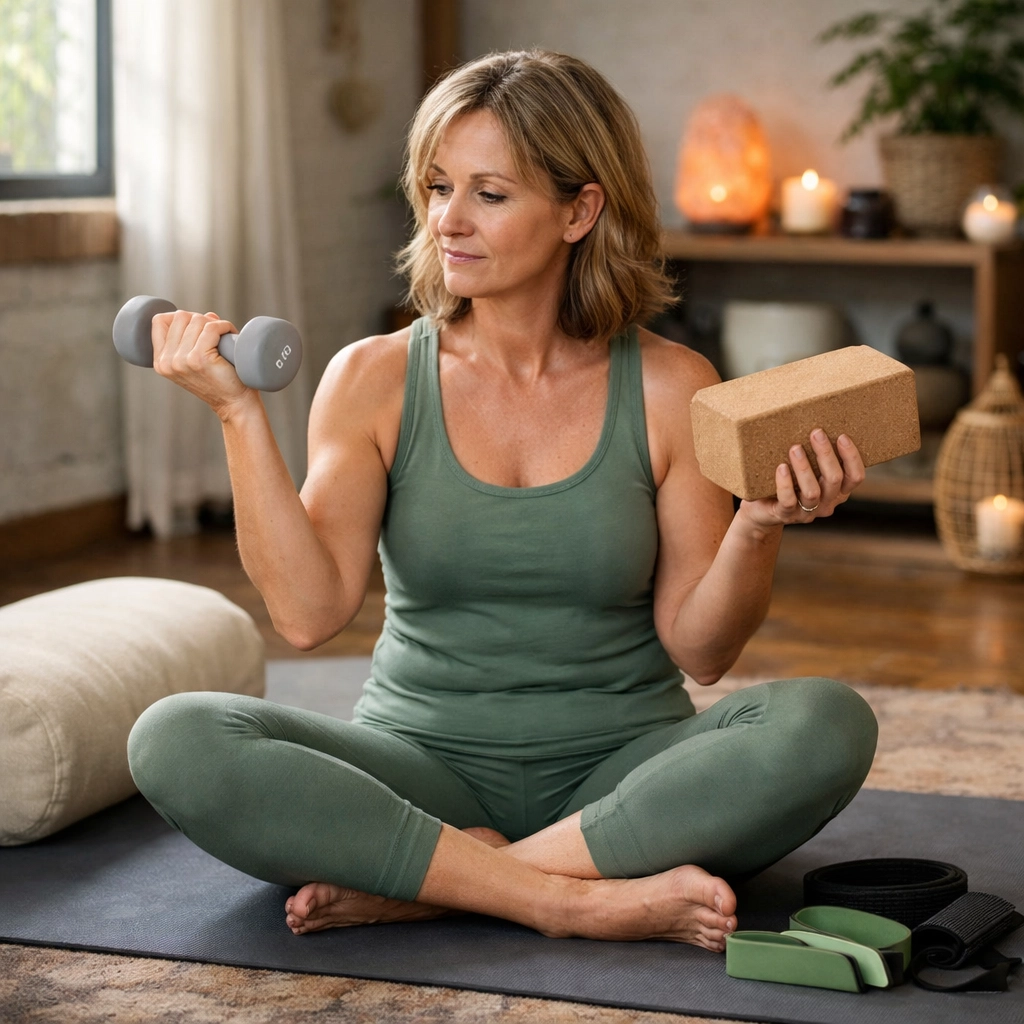
Let's get practical. Here's what a balanced week might look like using the Capacity Conscious framework:
Monday (High Capacity): 30-minute strength session : deadlifts, overhead press, rows Tuesday (Medium Capacity): Power yoga flow with emphasis on balance poses Wednesday (Low Capacity): Gentle yoga or mobility work Thursday (High Capacity): Lower body strength : squats, lunges, hip thrusts Friday (Medium Capacity): Choice day : either upper body weights or a longer flow Saturday (Low Capacity): Restorative yoga or walking Sunday: Rest or gentle movement
Notice how it's not "all or nothing." You're not doing intense strength training every day, and you're not skipping it entirely. You're weaving both practices together based on what your body can handle.
The Truth About Osteoporosis Prevention in Midlife
Prevention isn't about perfection. It's about consistency over time with practices that actually work.
Yoga alone won't cut it for bone density, but yoga + weight training? That's a protocol backed by both research and real-world results. Studies like the LIFTMOR trial have shown that heavy resistance training significantly increases bone mineral density in postmenopausal women: and the same principles apply during perimenopause.
Your bones are adaptive. They respond to what you ask of them. But you have to ask clearly. And you have to ask consistently.
The Capacity Conscious system lets you do that without sacrificing your nervous system, your sleep, or your sanity in the process.
You Don't Have to Choose Between Your Bones and Your Bandwidth
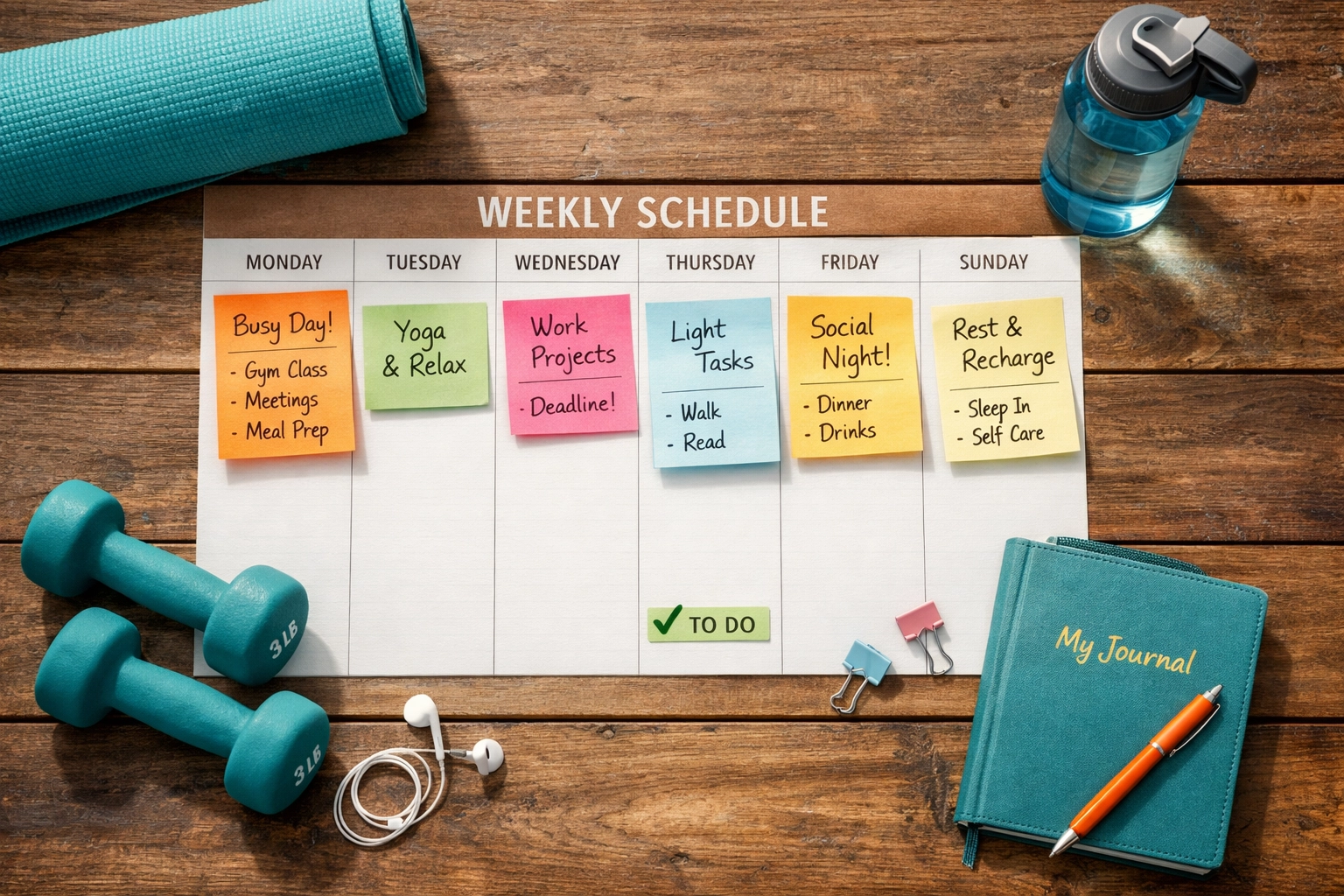
For years, the wellness world has positioned yoga and weight training as opposing camps. You're either a "yoga person" or a "gym person."
But in midlife? You need both.
Not in a way that demands perfection or adds another layer of pressure. In a way that adapts to you: honoring your capacity while still moving toward stronger, more resilient bones.
That's what makes yoga and weights the ultimate power couple. They complement each other. They protect each other. And when you use them together with the Capacity Conscious approach, they become sustainable.
Your bones are listening. What are you going to tell them?
Ready to explore a movement practice that actually works with your perimenopausal body? Learn more about the Capacity Conscious approach and start honoring your energy while building real strength.
Comments