


Functional Fitness Matters: Why Training for Daily Life Beats 'Crushing It' After 40

Updated: Apr 16
If your body feels different lately, you’re not imagining it.
That workout routine that used to leave you feeling energized and “pumped” might now leave you needing a three-hour nap or reaching for the ibuprofen. Maybe you’ve noticed that your joints feel a little creakier in the morning, or that "pushing through the pain" results in a week of fatigue rather than a sense of accomplishment.
If this sounds familiar, I want you to take a deep breath. You aren’t "getting old," and you certainly aren’t failing. Your perimenopausal body is simply changing its requirements. The rules of the game have shifted, and the "crush it" mentality we’ve been sold for decades is no longer the winning strategy.
In midlife, movement should support your life, not become another chore that drains your already precious energy. It’s time to talk about functional fitness, and why training for the life you actually live is the ultimate act of self-care.
The "Crushing It" Hangover
We’ve all seen the fitness ads. High-intensity intervals, heavy weights, and sweat-drenched faces with captions like "No Excuses" or "Go Hard or Go Home." For many of us, this was our baseline in our 20s and 30s. We could "crush" a workout and bounce back by the next morning.
But as we enter perimenopause, our hormonal landscape changes. Estrogen and progesterone begin their erratic dance, and our cortisol (the stress hormone) becomes much more sensitive. When we go into "beast mode" at the gym, our bodies can interpret that high intensity as a major stress event. Instead of building us up, it tears us down.
The result? The "Crushing It" Hangover. It’s that deep, cellular fatigue that sticks around for days. It’s the brain fog that gets worse after a spin class. It’s the nagging injury that won't heal.

What is Functional Fitness, Anyway?
Functional fitness isn't about how much you can bench press or how fast you can run a 5K. It’s about movement patterns that translate directly to your daily life.
Think about your day-to-day activities:
Lifting a heavy bag of groceries out of the car.
Reaching into the back of a high cupboard for a coffee mug.
Stepping over a baby gate or a pet.
Sitting down and standing up from a low chair.
Carrying a sleeping toddler (or a very spoiled dog).
Functional training focuses on balance, coordination, mobility, and multi-directional strength. It’s about ensuring that your body has the "capacity" to handle whatever your day throws at it without injury or exhaustion. It’s about longevity.
As we navigate midlife, the goal shifts. We aren't training for a bikini competition; we’re training so we can remain independent, active, and pain-free for the next forty years. Why your 20s workout strategy is a disaster for your 40s isn't just a catchy headline: it’s a biological reality.
Why "Daily Life" Training Wins After 40
There are a few very real, very scientific reasons why switching to a functional, capacity-conscious approach is better for perimenopausal women:
1. Sarcopenia is Real
Around age 40, we begin to lose muscle mass: a process called sarcopenia. However, "crushing it" with extreme intensity isn't the only way to fight this. Functional resistance training, like combining yoga with light weights, provides the necessary stimulus to keep bones strong and muscles active without overtaxing the nervous system. You can read more about this in our post on bones, gravity, and why yoga and weights are a power couple.
2. Joint Protection
Our connective tissues: tendons and ligaments: become less elastic as estrogen levels drop. High-impact "crushing it" workouts put immense strain on these tissues. Functional movement focuses on stabilization and joint health, meeting you where you are today rather than where you were ten years ago.
3. Nervous System Regulation
This is the big one. Perimenopause can feel like a constant state of "fight or flight." If your exercise routine is also high-stress, you’re just adding fuel to the fire. Functional fitness, especially when approached through a yoga lens, helps regulate the nervous system. It’s about moving with intention.

The Capacity-Conscious Approach
At Capacity Conscious Yoga, we don't believe in a "one size fits all" workout. Some days you wake up feeling like you can conquer the world. Other days, just putting on socks feels like a victory.
Instead of forcing yourself into a rigid routine, we use a "Capacity Check-In." We look at our energy levels through three lenses:
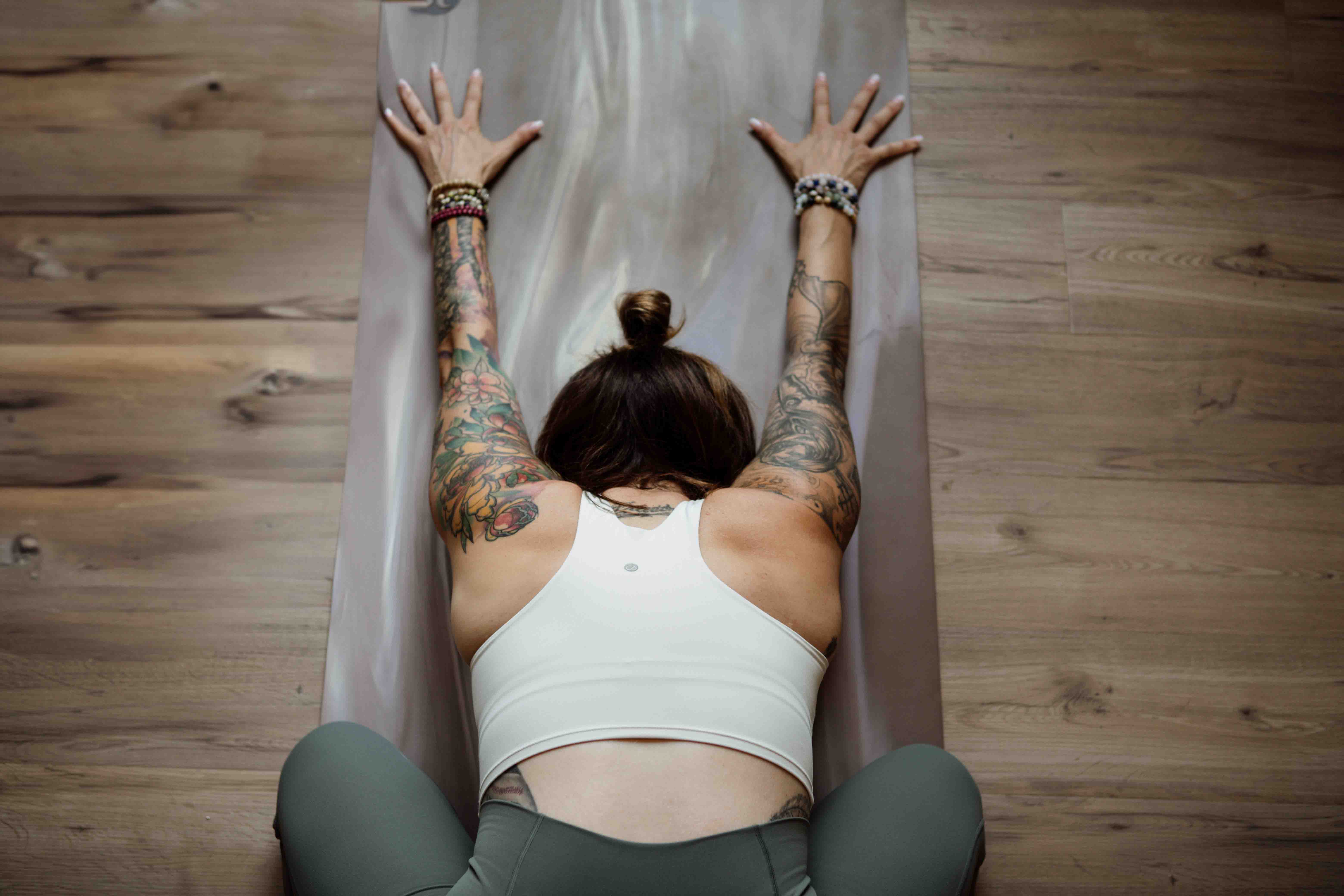
LOW Capacity (Rest / Restore / Reset)
This is for the days when you are running on empty. Maybe you didn't sleep well (thanks, night sweats), or work has been draining. On these days, "functional" means helping your body recover so you can function at work or home. We focus on restorative poses and nervous system regulation. Struggling for motivation? Try these micro-yoga rituals for your lowest energy days.
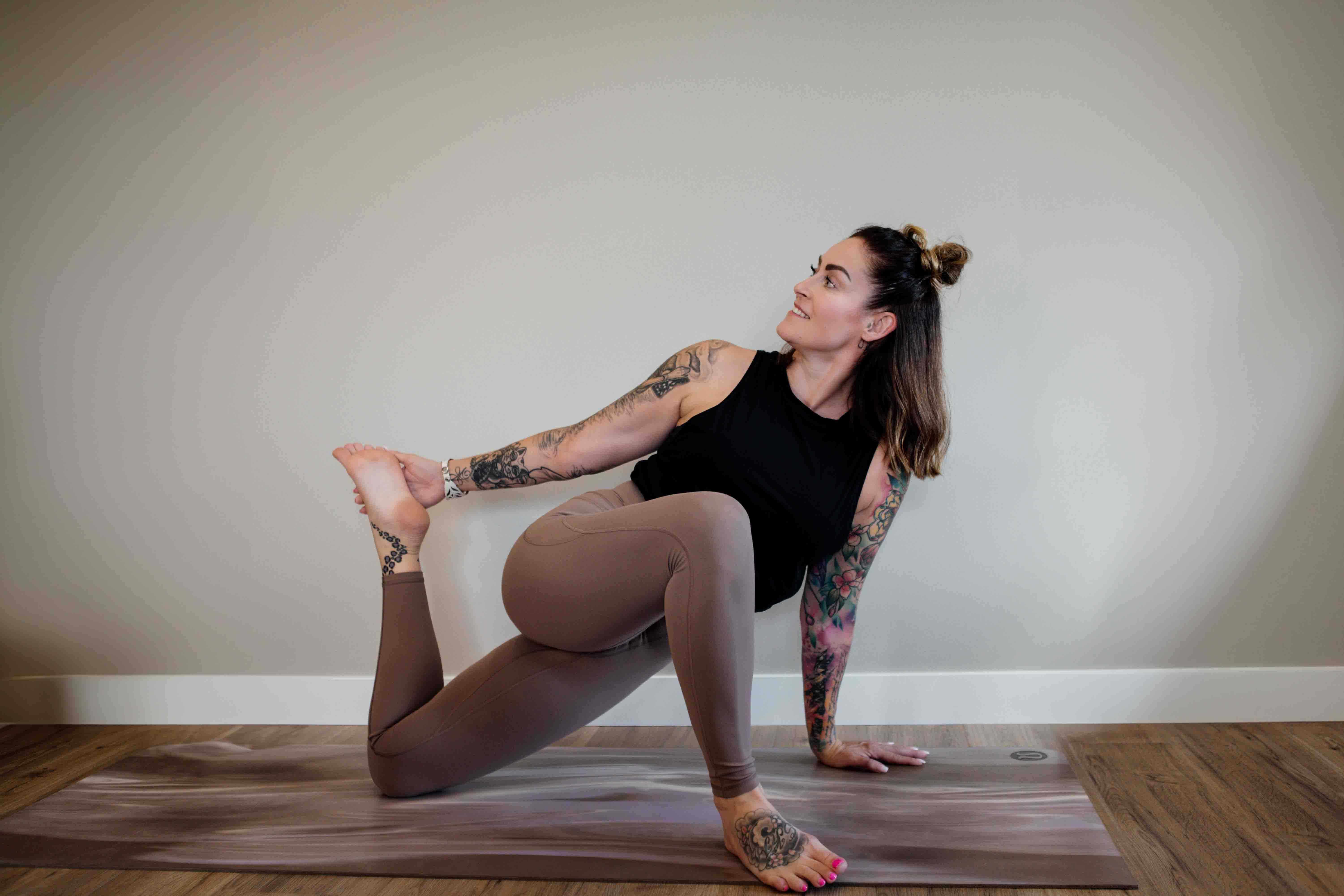
MEDIUM Capacity (Steady)
You feel okay. Not amazing, but steady. This is where we focus on balance and moderate strength. It’s the sweet spot for maintaining your "daily life" fitness. We move mindfully, building heat without hitting the "red zone."
HIGH Capacity (Expand)
You’ve got the energy! On these days, we lean into more challenging functional movements: longer holds, more complex transitions, or adding weight. We expand our capacity because the foundation is already there.
Shifting Your Perspective: What Does My Body Need Today?
The next time you’re about to start a workout, I want you to pause. Put your hand on your heart. Ask yourself: “What does my body actually need to support me through the rest of my day?”
If you choose a workout that leaves you too tired to cook dinner or play with your kids, was it really a "good" workout?
Functional fitness means realizing that recovery matters more than reps after 40. It means honoring the fluctuations of your perimenopausal body.
Moving for Longevity, Not Just Intensity
Training for daily life is a radical act of self-love. It’s an acknowledgment that your worth isn't measured by how many calories you burned or how hard you pushed.
When we focus on functional movement, we notice that:
We have more patience because our nervous system isn't fried.
Our backs hurt less after sitting at a desk.
We feel more confident in our balance and stability.
We actually enjoy moving again.
It’s about being strong enough to carry your own weight: physically, emotionally, and mentally.
If you’re tired of the "crush it" culture and are looking for a way to move that actually feels supportive, you’re in the right place. You don't need more willpower; you just need a better system that honors your current capacity.
Ready to stop the burnout and start building strength that actually serves you?
If you're curious about how to start matching your movement to your energy, I’d love to help you find your baseline. Our community is full of women who are reclaiming their strength by slowing down and listening to what their bodies are actually saying.
Why not start today with a simple check-in?
Ready to try something that actually works with your body?
Comments