


10 Reasons Your Current Workout Isn't Working for Hormonal Balance (And How to Fix It)

If your body feels different lately, you’re not imagining it.
That spin class that used to leave you feeling energized? Now it leaves you reaching for a third cup of coffee and a nap. That heavy lifting session that once built lean muscle? Now it seems to result in stubborn puffiness and joints that ache for days.
It’s frustrating. It’s confusing. And honestly, it feels a bit like a betrayal. You’re doing "all the right things," but your body is telling a completely different story.
The truth is, the perimenopausal body is navigating a complex hormonal shift. Progesterone is dipping, estrogen is fluctuating wildly, and our nervous systems are becoming more sensitive to stress. The high-intensity, rigid routines that worked in your 20s and 30s are often the very things causing your hormones to spiral in midlife.
At Capacity Conscious Yoga, we believe movement should support you, not deplete you. Not harder. Not more intense. Just more supportive.
Here are 10 reasons your current workout might be backfiring, and how you can start working with your body instead of against it.
1. You’re Stuck in a "Cortisol Loop"
High-intensity interval training (HIIT) and heavy cardio are great for some, but in perimenopause, they can be a double-edged sword. These workouts naturally spike cortisol. Usually, that’s fine. But when your baseline stress is already high due to hormonal shifts, that extra spike can keep your cortisol levels chronically elevated.
Instead of burning fat, your body starts storing it, especially around the midsection, to protect itself from what it perceives as a constant "threat."
The Fix: Balance the fire with the cool. If you love intensity, try reducing the frequency. Shift the focus toward regulating your nervous system. You might find that understanding your HRV connection helps you see when your body is actually ready for intensity and when it needs a "Low Capacity" day.
2. You’re Overlooking the Power of the "Capacity Check-In"
Most fitness programs ask you to show up and give 100%, regardless of how you slept, how your cycle is behaving, or how much "life" happened yesterday. But for perimenopausal women, energy isn't a straight line. It's a wave.
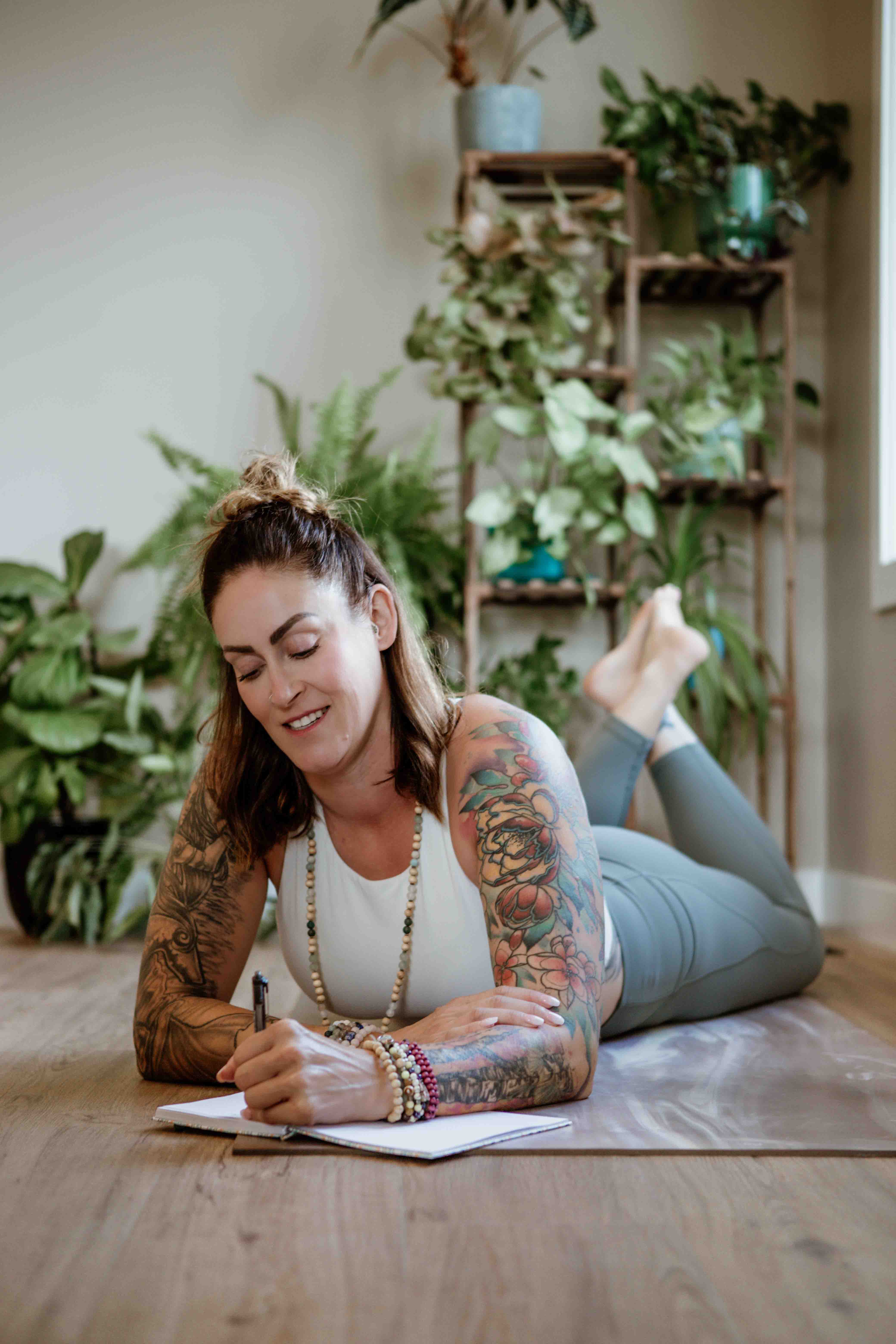
The Fix: Before you even unroll your mat or put on your sneakers, ask yourself: What is my capacity today? At Capacity Conscious Yoga, we use a simple Capacity Scale.
LOW: You’re exhausted, brain-fogged, or sore. (Choose restorative poses or a gentle supported heart-opener).
MEDIUM: You have some energy but need to be mindful. (Choose a steady flow with modifications).
HIGH: You feel strong and grounded. (Go for that strength-building session).
3. Your Recovery Time Is Too Short
In your 30s, you could probably bounce back from a hard workout in 24 hours. In midlife, recovery takes longer. The decline in estrogen affects how our muscles repair and how our joints feel. If you’re working out every single day without adequate rest, you’re likely in a state of chronic inflammation.
The Fix: Prioritize recovery as much as the "work." Think of your rest days as your "longevity practice." When you give your body time to heal, your hormones remain much more stable.
4. You’re Not Adjusting for Your Cycle (Even if it’s Irregular)
Even if your period is becoming unpredictable, your hormones are still moving through phases. During the luteal phase (the week or two before your period), your body is naturally more prone to fatigue and heat sensitivity. Pushing through a "beast mode" workout during this time can lead to burnout and increased PMS symptoms.
The Fix: Track your symptoms, not just your days. If you feel that familiar heaviness or irritability creeping in, it’s a signal to move into a Low-Energy practice.
5. You’re Missing the "Hormone Triad"
Exercise doesn't exist in a vacuum. It’s one-third of a triad: Movement, Nutrition, and Rest. If you’re exercising intensely but not eating enough protein or getting quality sleep, your hormones, specifically your thyroid and adrenals, will pay the price.
The Fix: Look at the big picture. Are you fueling your workouts? Are you using yoga tools to help you sleep through perimenopausal night sweats? When these three pillars are balanced, your body stops fighting you.
6. You’re Ignoring the Need for "Functional" Strength
Cardio is great for the heart, but midlife women need load-bearing movement to protect bone density and muscle mass. However, traditional "gym culture" weightlifting can feel intimidating or too rigid for a fluctuating energy level.
The Fix: Incorporate weights into your yoga practice. It’s a "power couple" for perimenopause. You get the bone-building benefits of resistance training with the nervous system regulation of yoga. Curious about how that works? Check out our post on Bones, Gravity, and the Load.
7. You’re Operating on a "No Pain, No Gain" Mentality
This is perhaps the hardest habit to break. We’ve been conditioned to believe that if we aren’t sweating, shaking, or exhausted, it "doesn't count." In perimenopause, that mindset is a recipe for adrenal fatigue.
The Fix: Change the metric of success. Instead of asking "How many calories did I burn?" try asking "How do I feel in my body right now?" Success is finishing a session feeling more integrated and balanced than when you started.
8. Your Workout Is Too Repetitive
Doing the same 45-minute jog or the same circuit every single day creates repetitive strain on joints that are already losing the cushioning power of estrogen. It also stops challenging your brain and body in a way that promotes "flow state," which is vital for clearing midlife brain fog.
The Fix: Variety is your friend. Some days you need a gentle lunge with props to open up tight hips. Other days, you might want a high-capacity balance challenge. Variety keeps the body responsive and the mind sharp.
9. You’re Not Using Props to Honor Your Body’s Changes
Stiffness is a hallmark of the perimenopausal transition. Trying to force your body into a "standard" pose can lead to injury and frustration.
The Fix: Use the tools! Cork blocks, bolsters, and straps aren't "cheating", they are bridges that allow your body to access the benefits of a pose without the strain. An adaptive, capacity-conscious approach means the pose fits you, not the other way around.
10. You Haven't Found a Community That "Gets It"
It’s hard to stay motivated when you’re in a class full of 20-year-olds or following a trainer who doesn't understand why you’re suddenly dealing with "rage" or "exhaustion." Isolation makes the transition feel harder.
The Fix: Find your people. Surround yourself with women who are navigating the same shifts. It changes the energy from "trying to keep up" to "supporting each other's journey."
How to Start Fixing It Today
If you’re feeling overwhelmed, start small. You don't need a total life overhaul. You just need a little more consciousness.
The next time you’re about to start a workout, take two minutes to sit quietly. Close your eyes. Place one hand on your heart and one on your belly. Ask yourself: What is my capacity today?
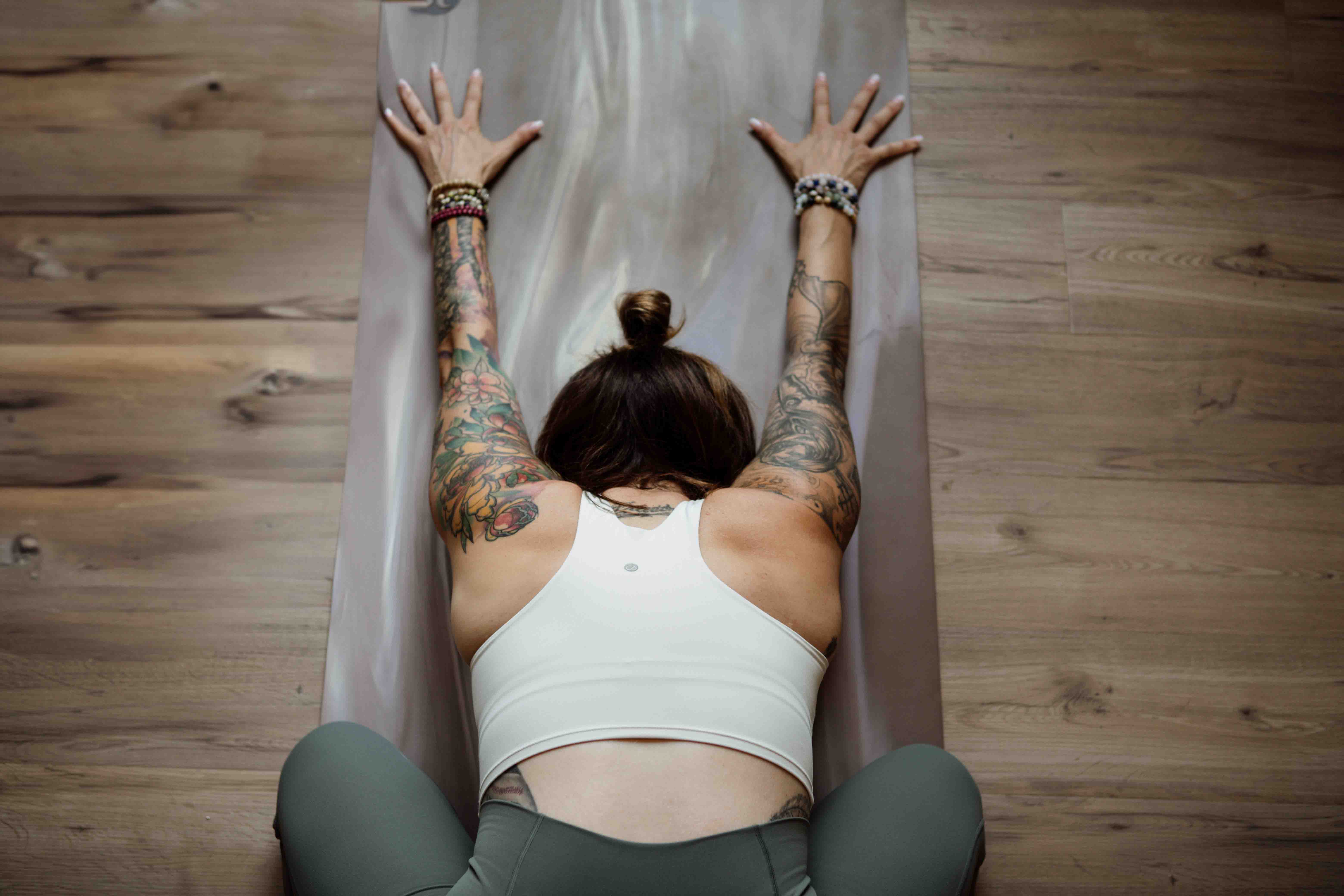
If it’s Low, maybe you just do five minutes of a supported child's pose.
If it’s Medium, maybe a 20-minute gentle flow.
If it’s High, go ahead and find your edge.
By honoring your daily capacity, you stop the cycle of exhaustion and start building a sustainable relationship with movement. You aren't "failing" at your fitness; you're simply evolving into a new phase of life that requires a different map.
Ready to find a rhythm that actually works for your perimenopausal body?
We’d love to have you join us at Capacity Conscious Yoga. Whether you’re looking for a gentle twist to ease midlife stiffness or a deep dive into hormonal balance, we meet you exactly where you are.
If you’re curious but not quite ready to jump into a full class, you might want to explore The Perimenopause Energy Reset. It’s designed to help you reclaim your focus and energy without the cortisol-spiking stress of traditional workouts.
Your body is changing, yes. But it’s still capable of amazing things. It’s just asking you to listen a little more closely.
Comments